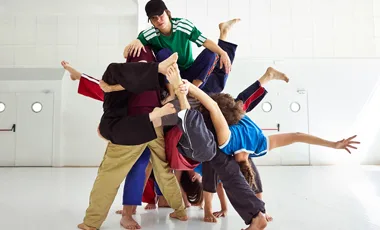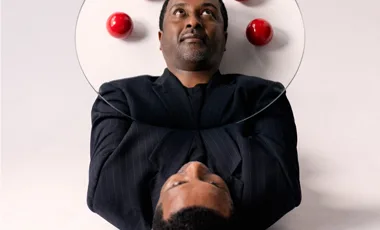



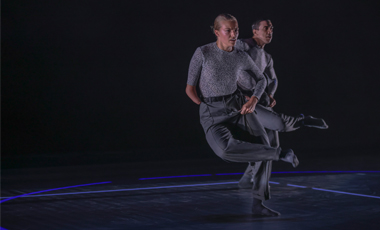
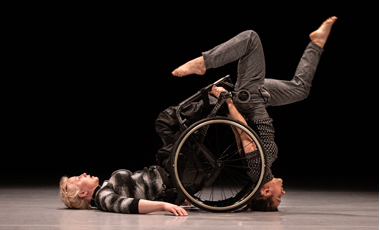
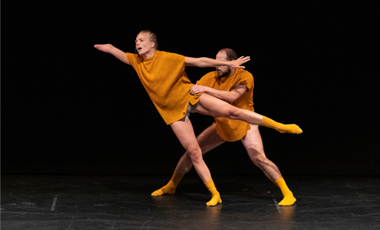
Europe Beyond Access is the biggest transnational project in the world supporting disabled and Deaf artists to break the glass ceilings of contemporary dance and theatre. The project started in 2018, and in 2024 the second generation has been co-funded once again by the Creative Europe programme of the European Union and will run for another 4 years, to 2027.
The new programme will:
Europe Beyond Access is run by 10 high-profile European cultural organisations.
We acknowledge that we are not specialist Arts & Disability organisations. We have a lot to learn if we are to become truly accessible cultural institutions. During the four years of EBA we will learn from experts and from each other – improving our own practices and sharing what we learn with the wider cultural sector. What we do know already is that artistically we are energised by the current generation of Deaf and disabled performing artists who are making innovative and excellent works. Through EBA we will support these artists, and bring their works to national and international prominence.
Fore more information about Europe Beyond Access, visit the dedicated project website: europebeyondaccess.com
How accessible – or inaccessible – is performing arts education in Europe for disabled artists and cultural workers?
Learning to Change, a new report, authored by On the Move and commissioned by Skånes Dansteater as part of Europe Beyond Access, with the support of the British Council, wants to open up the discussion on The Role of Educational Institutions in Fostering Accessibility for Disabled Artists and Culture.
The launch of the report was on December 3, 2025, International Day of People with Disabilities.
Here is the complete recording of the online event:
Relaxed sessions aim to include people with special needs in the shows. For example, people with social interaction difficulties or extreme sensitivity to sensory stimuli.
During these morning sessions, a more relaxed and welcoming atmosphere is created, with more inclusive rules regarding the moves and noise of the public. They may also involve minor adjustments to the show (lighting, sound…) in order to better adapt to their needs.
During the season, we also offer accessible functions adapted for groups with functional diversity.
Europe Beyond Access is co-funded by the Creative Europe programme of the European Union.
Funded by the European Union. Views and opinions expressed are however those of the author(s) only and do not necessarily reflect those of the European Union or the European Education and Culture Executive Agency (EACEA). Neither the European Union nor EACEA can be held responsible for them.