







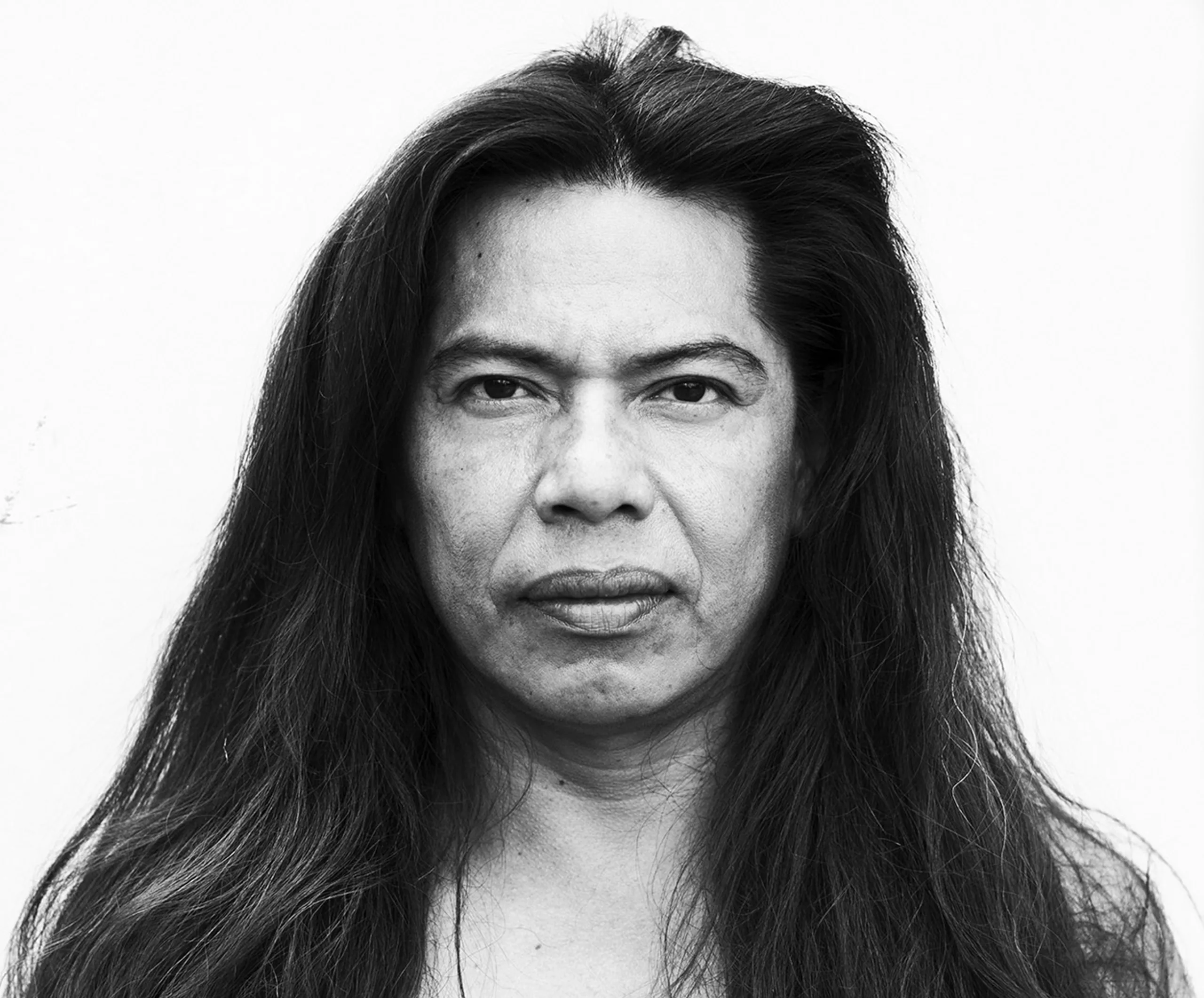
Lukas Avendaño named the winner of the second edition of the Salavisa European Dance Award, established by the Calouste Gulbenkian Foundation in partnership with eight other European arts organisations, as Mercat de les Flors. The award recognises exceptional artists from around the world whose work deserves greater visibility beyond their national borders.
According to the jury, Lukas Avendaño’s artistic practice stands out for “the singularity with which it brings together performance, choreography, ritual, social anthropology, writing, pedagogy and political action. Her work is culturally rich and layered. It is also formally open: dance, costume, text, testimony, music, ritual structures, public intervention and communal memory coexist without being subordinated to a single disciplinary frame.”
The jury also highlighted Avendaño’s “exceptional ability to communicate the cultural, historical and political dimensions of her artistic practice without diminishing their complexity”, noting that her work “demonstrates how performance can be, simultaneously, an artistic expression, an archive, a testimony, a ritual, a pedagogical act, a space for mourning and a means of collective survival.”
Commenting on the award, Lukas says: “I imagine it will contribute not only to the creation of future works, but also, in a significant way, to the education and training of new generations. I like to imagine that, in the medium or long term, many young people will have the opportunity to discover dance who might otherwise never have had that chance – and that this will be possible thanks to this award.”
In addition to the €150,000 prize, Lukas Avendaño will have the opportunity to present her work at venues run by the award’s partner organisations.
Created in 2023 by the Calouste Gulbenkian Foundation and other European cultural institutions to honour the legacy of Portuguese dancer, teacher and artistic director Jorge Salavisa (1939-2020), the Salavisa European Dance Award (SEDA) is awarded to artists from across the world who demonstrate talent or unique qualities worthy of international recognition.
This European dance award, worth €150,000, is granted every two years and hopes to establish itself as an incentive for artists with artistic maturity who do not fall within a strict age category and are still little known on the European circuit due to their artistic discourse or their social and cultural background. Since 2025, Mercat de les Flors is one of the members of the award.
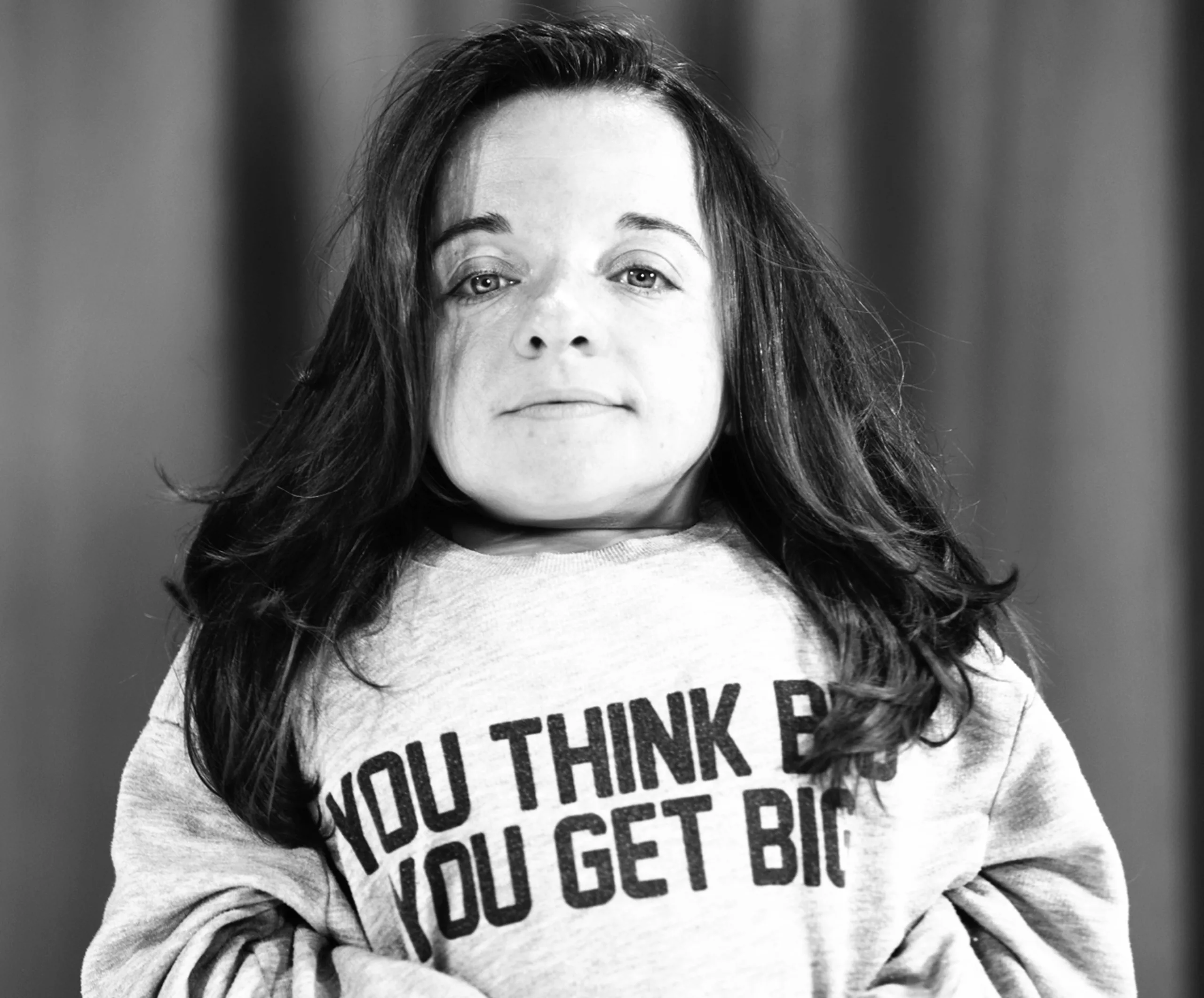
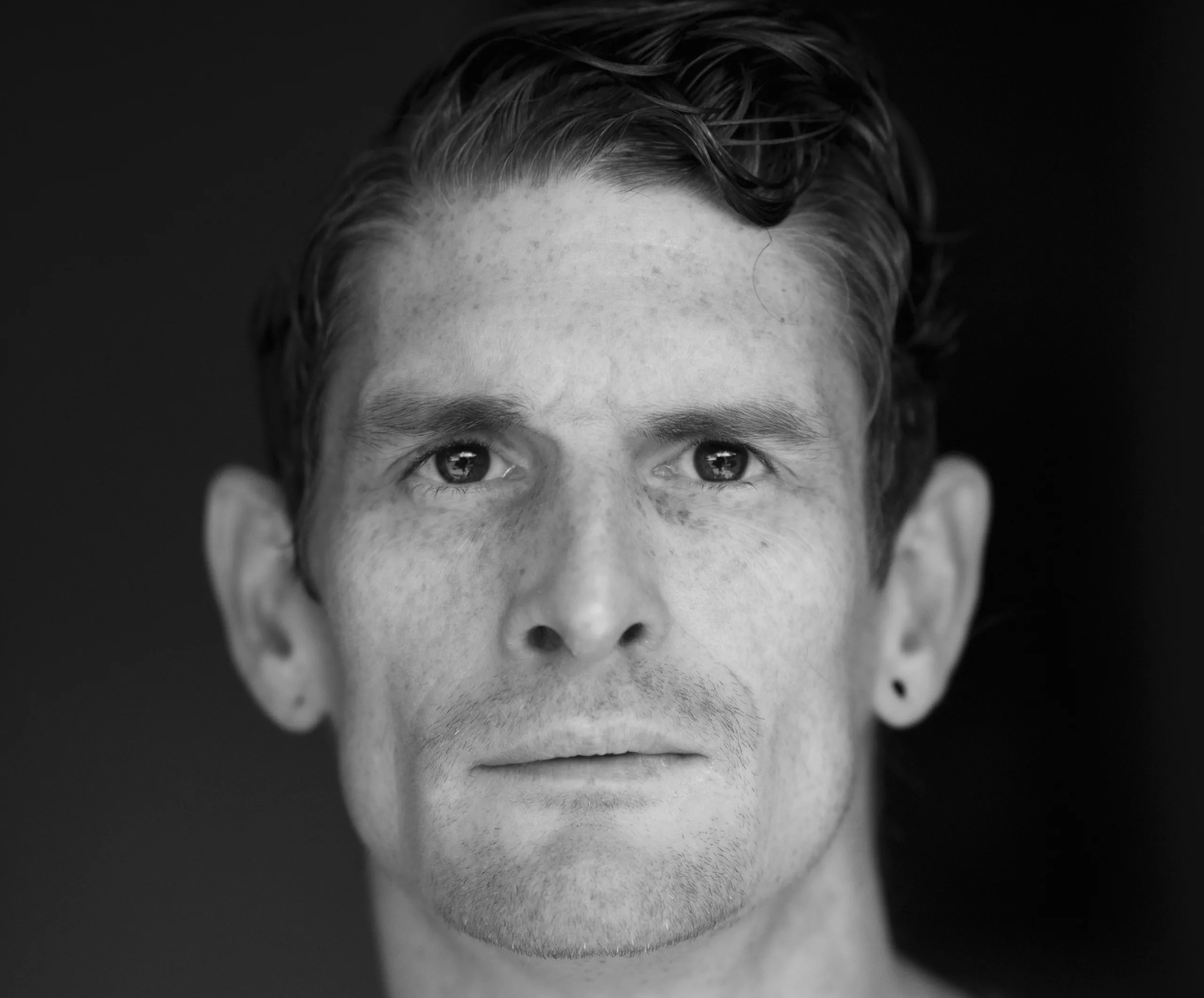
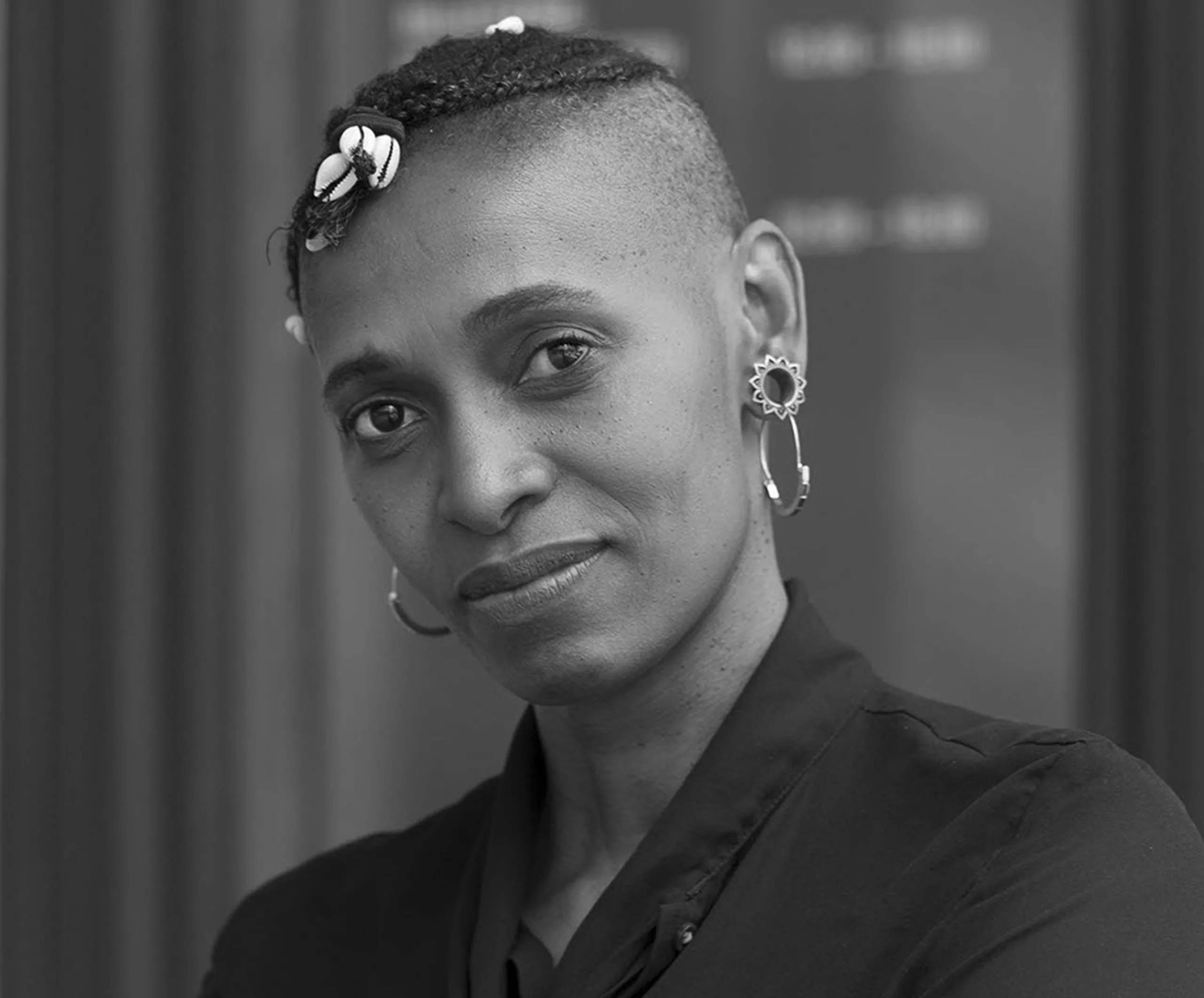
Five finalists have been selected for the award which recognises artists from around the world for their talent and unique qualities in the field of dance: Chiara Bersani from Italy, Jefta van Dinther from the Netherlands and Sweden, Dan Daw from Australia, Lukas Avendaño from Mexico and Mamela Nyamza from South Africa. They were selected by a Nomination Committee composed of one representative chosen by each of the nine European institutions that make up SEDA – Dansehallerne (Denmark), Fondazione Fabbrica Europa per le arti contemporanee ETS (Italy), Fundação Calouste Gulbenkian (Portugal), Joint Adventures (Germany), KVS (Belgium), Maison de la Danse/Biennale de la Danse (France), Mercat de les Flors (Spain), Sadler’s Wells (United Kingdom) and Tanzquartier Wien (Austria).
The work of the five finalists has been evaluated by an independent jury, composed of three renowned dance experts: Ilgaz Gurur Ertem, La Ribot and River Lin. The winner of the €150,000 award was announced at a ceremony in November 2026 at the Calouste Gulbenkian Foundation in Lisbon.
Chiara Bersani
Performing artist, activist and choreographer. She works on the accessibility of disabled artists in the performing arts scene, exploring the politics of the body and how the images we create interact with society’s narratives. Bersani’s choreographic practice is defined by radical precision, conceptual depth and political urgency. Her work proposes a profound reformulation of the relationship between body, time, vision and power, challenging the dominant aesthetics of virtuosity, speed and productivity, proposing instead a practice anchored in duration, attention and radical presence.
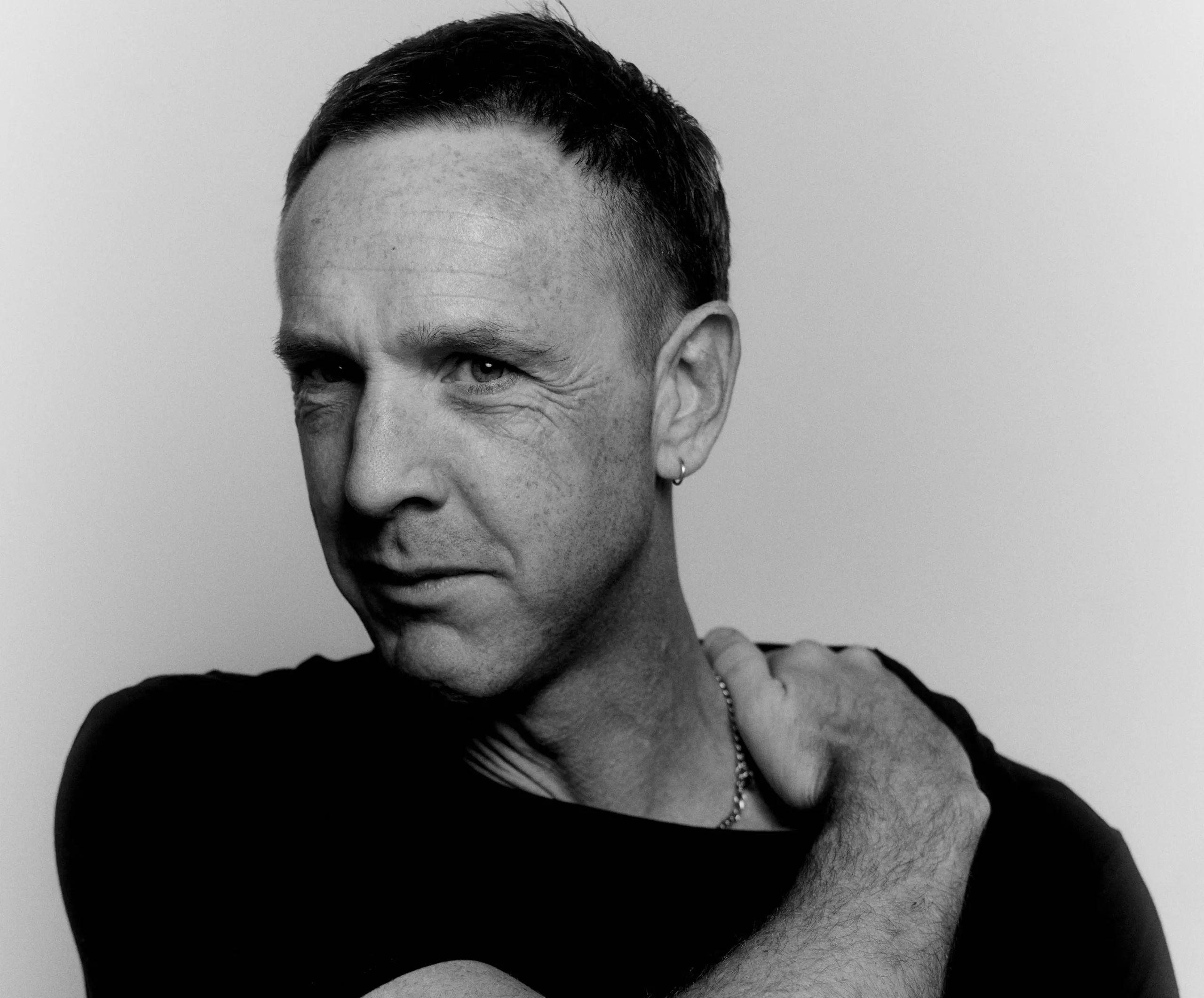
Jefta van Dinther
Choreographer, dancer and teacher. Van Dinther is considered one of the most visionary choreographers of his generation. His work addresses profound and universal questions – such as what it means to be human in relation to others, history and the world – and reveals how bodies are shaped by social, cultural and atmospheric forces. Presenting the human as simultaneously biological and relational, physical and psychological, he has developed a choreographic language in which the body is never alone. It moves within immersive constellations of light, sound, objects and materials that radically transform perception.
Dan Daw
Artist and producer. He began working as a performer with Restless Dance Theatre (AUS) in 2002. Daw has been recognised as an artist whose contribution to contemporary performance is transforming the field both structurally and aesthetically. His practice incorporates a rare combination of conceptual acuity, emotional intelligence and political necessity, expanding what representation, autonomy and intimacy can mean on stage. His artistic practice is inseparable from his activism: both insist on access, authorship, complexity, and dignity.
Lukas Avendaño
Performing artist, choreographer, anthropologist, and writer. Having trained in Dance and Anthropology. His work draws on muxeidad – the Zapotec social and gender system that unsettles the colonial male/female binary and that has existed since before the arrival of Europeans in the Americas –, to stage charged explorations of sexuality, indigeneity, and power. His work emerges in a liminal space where dance becomes a technology of memory, survival (survivance) and collective imagination, with the potential to reshape how global contemporary dance understands ritual, identity and activism.
Mamela Nyamza
Dancer, teacher, choreographer, and activist. Rejected by her classical Ballet Teachers because of her natural body structure, she was inevitably drawn to the politics of the body. Exploring a practice rooted in feminism, decolonial critique, autobiographical research and an unwavering commitment to social justice, Nyamsa has been reshaping the African and international performance landscapes, demonstrating how movement can act as a catalyst for cultural and institutional transformation. The deconstruction of the Western dance canon is central to her work and reclaims space for historically marginalized black, queer, and female bodies.


Ilgaz Gurur Ertem
As an interdisciplinary scholar, sociologist, curator, and educator in the field of somatic movement and dance, Ilgaz Gurur Ertem explores the intersections between the arts, social theory, and political thought. Her writings address contemporary dance and performance, cultural and curatorial politics, European artistic networks, and the intersections between social theory and bodily and embodied practices.
La Ribot
Choreographer, dancer and artist. Her work, which emerged at the end of Spain’s democratic transition in the 1980s, has profoundly changed the field of contemporary dance. She challenges the frameworks and formats of spaces, freely appropriating the vocabularies of theatre, the visual arts, performance, cinema and video in order to displace the conceptual landscape of choreography.
River Lin
Paris-based Taiwanese artist and curator, River Lin is dedicated to performance and works with live art, dance, and queer culture. His curatorial work focuses on community engagement, the production of intra-Asian knowledge, the creation of cultural infrastructures, and the queerisation of institutional agendas.


